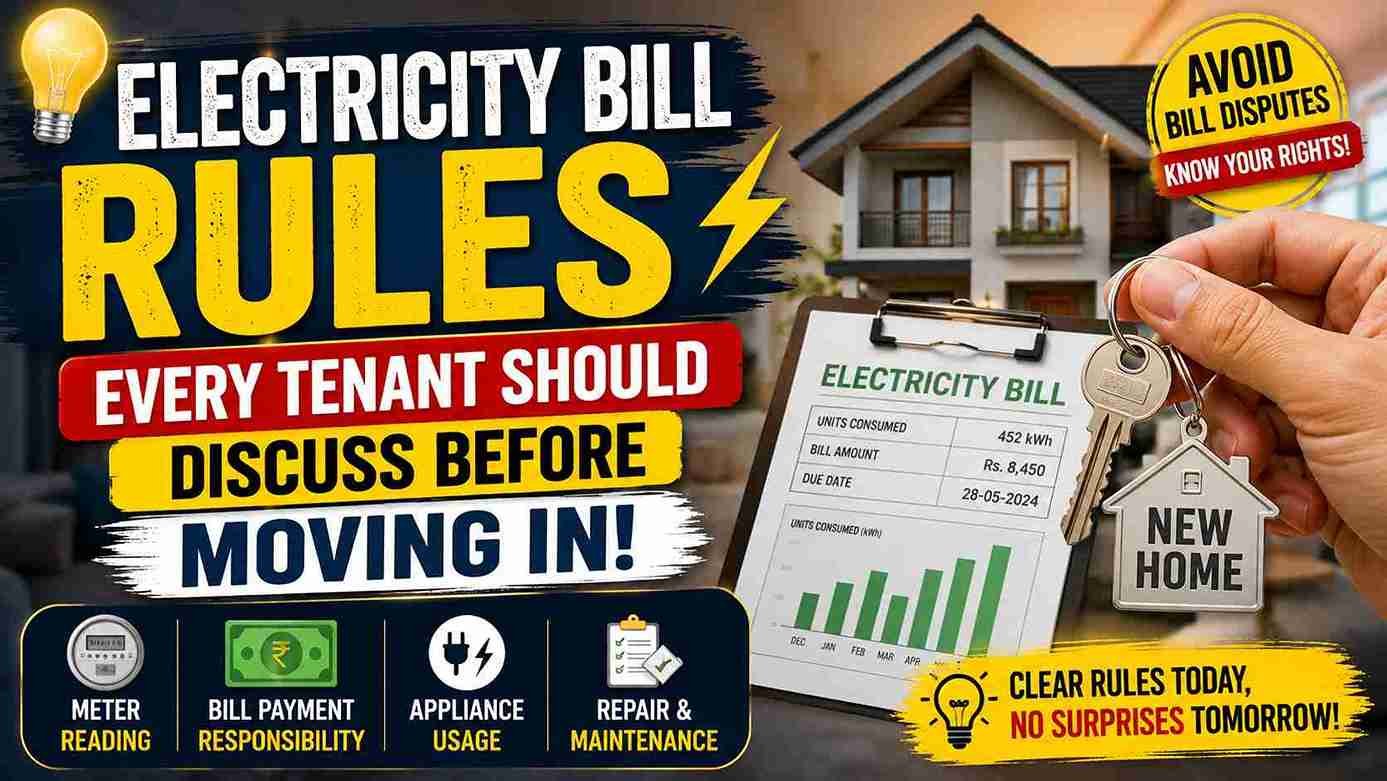
In Pakistan, rising electricity costs have made utility expenses a major concern for families, students, and small business owners renting homes or apartments. A misunderstanding about electricity charges can lead to unexpected costs and disagreements with landlords.
This guide explains the most important electricity-related rules tenants should discuss before signing a rental agreement. We’ll cover meter readings, bill payments, appliance usage, maintenance responsibilities, and practical ways to avoid future disputes.
Why Should Tenants Discuss Electricity Bills Before Moving In?
Tenants should discuss electricity bill rules before moving in because unclear agreements can lead to billing disputes, unexpected charges, and confusion about utility responsibilities. A simple conversation before signing the lease can help both tenants and landlords avoid problems later.
Many renters focus on rent amount, security deposits, and location but forget to ask detailed questions about electricity usage.
Here’s the thing. Electricity expenses can sometimes become the second-largest household cost after rent, especially during Pakistan’s hot summer months when air conditioners and fans run for long hours.
What Type of Electricity Meter Is Installed?
Before moving in, ask whether the property has:
- A separate electricity meter
- A shared meter
- A sub-meter
- A prepaid meter
Why Does This Matter?
If the property uses a separate meter, your electricity bill reflects your own consumption.
However, shared meters can create confusion because multiple households may use electricity from the same connection.
Questions to Ask
- Is the meter registered separately?
- How are units divided between tenants?
- Who calculates usage?
- Can tenants verify the meter reading?
A transparent system helps avoid future disagreements.
Who Is Responsible for Paying the Electricity Bill?
The payment responsibility should be clearly defined before moving in. Some landlords include utility charges in rent, while others require tenants to pay bills directly.
Never assume the arrangement.
Common Rental Arrangements
| Arrangement | Who Pays? |
|---|---|
| Separate Meter | Tenant |
| Utilities Included in Rent | Landlord |
| Shared Meter | Usually Shared |
| Commercial Rental Space | Tenant |
Request written clarification to avoid confusion later.
Should You Check Previous Electricity Bills?
Absolutely.
Reviewing previous bills can reveal useful information about the property’s energy consumption.
Look for:
- Average monthly units consumed (kWh)
- Seasonal usage patterns
- Outstanding dues
- Additional surcharges
- Electricity tariff categories
For example, a family moving into a house that regularly consumes 700 to 900 units during summer should expect higher costs if they plan to use air conditioners frequently.
Are There Any Outstanding Utility Dues?
Before taking possession of the property, ask for proof that all previous bills have been cleared.
Unpaid balances may create complications later, especially if the connection faces restrictions or service issues.
Request copies of:
- Recent electricity bills
- Payment receipts
- Meter verification records
This simple step can prevent unnecessary stress.
What Appliances Are Already Installed?
Many rental homes include appliances.
Examples include:
- Air conditioners
- Ceiling fans
- Water pumps
- Refrigerators
- Electric heaters
- Exhaust fans
Why Appliance Efficiency Matters
Older appliances often consume more electricity.
For instance, an older non-inverter AC may use significantly more power than an inverter AC operating under similar conditions.
Ask landlords:
- How old are the appliances?
- Have they been serviced recently?
- Are they energy-efficient models?
Good maintenance often improves energy efficiency and performance.
How Can Appliance Usage Affect Monthly Bills?
Appliance usage directly affects monthly electricity costs because high-power devices consume more units over time. Air conditioners, electric heaters, and water pumps are usually among the biggest contributors to household energy usage.
Let’s look at a simple example.
Typical Household Scenario
A family uses:
- One refrigerator
- Four ceiling fans
- LED bulbs
- One inverter AC
Their monthly usage may differ greatly from a similar household using:
- Two older AC units
- Incandescent bulbs
- Poorly maintained appliances
Small differences in usage habits can noticeably affect monthly bills over time.
Is There a Backup Power System?
Power interruptions and load shedding still affect some areas.
Ask whether the property includes:
- Inverters
- Battery backup systems
- Generators
- UPS systems
Important Questions
- Who maintains the system?
- Who pays battery replacement costs?
- Are backup systems included in rent?
Clarifying these points helps avoid future misunderstandings.
Are Solar Panels Installed?
Many Pakistani homeowners have started investing in solar panels because of rising electricity costs.
If the property has solar energy systems, ask:
- Who owns the system?
- Is net metering available?
- How are solar savings calculated?
- Can tenants benefit from generated electricity?
Why It Matters
Properties equipped with solar systems may reduce reliance on grid electricity during daylight hours.
However, billing arrangements should always be discussed beforehand.
Who Handles Electrical Repairs?
Electrical issues can occur unexpectedly.
Examples include:
- Faulty wiring
- Tripped breakers
- Damaged switches
- Voltage-related problems
Clarify Repair Responsibilities
Discuss:
- Emergency repair procedures
- Maintenance responsibilities
- Costs for appliance damage
- Responsibilities during voltage fluctuations
A written agreement protects both parties.
Are Peak Hours Important for Tenants?
Yes.
In some regions, electricity pricing structures may encourage better load management during high-demand periods.
Peak Hour Awareness Can Help
Activities that consume significant electricity include:
- Running AC units continuously
- Operating electric heaters
- Using multiple large appliances simultaneously
Being aware of usage patterns can help tenants manage overall electricity expenses more effectively.
What Energy-Saving Rules Should Be Agreed Upon?
A discussion about energy habits can benefit both landlords and tenants.
Practical Energy-Saving Habits
- Use LED bulbs instead of older lighting.
- Turn off unused appliances.
- Reduce standby power consumption.
- Service AC units regularly.
- Clean refrigerator coils when needed.
- Use natural ventilation during mild weather.
These habits support better energy efficiency without affecting comfort.
How Can Tenants Monitor Electricity Usage?
Tracking usage helps avoid bill surprises.
Useful Methods
- Regular meter checks
- Monthly bill comparisons
- Smart plugs
- Energy monitoring devices
- Appliance usage tracking
Monitoring consumption helps identify which appliances use the most electricity.
What Should Be Written in the Rental Agreement?
Every important electricity-related detail should appear in writing.
Include
- Meter ownership details
- Bill payment responsibility
- Shared meter calculation methods
- Repair obligations
- Solar system arrangements
- Utility dispute procedures
Written agreements reduce confusion and provide clarity for everyone involved.
Understanding Electricity Regulations in Pakistan
Electricity consumers in Pakistan often receive services through local distribution companies operating under regulations approved by organizations such as NEPRA.
Depending on the area, consumers may receive electricity from WAPDA-related distribution companies or K-Electric in Karachi.
Understanding billing structures, tariff categories, and consumption patterns can help tenants make informed decisions before renting a property.
A Real-Life Example
Consider a family renting a three-bedroom house during summer.
The property includes:
- Two air conditioners
- One refrigerator
- Six ceiling fans
- A water pump
The previous tenant regularly consumed more than 800 units per month.
Had the new tenants reviewed earlier bills and discussed appliance efficiency before moving in, they would have had a much clearer picture of expected electricity costs.
Simple questions before signing the lease can prevent unpleasant surprises later.
Conclusion
Electricity costs are becoming an increasingly important part of household budgeting, especially in Pakistan. Before moving into any rental property, take time to discuss meter arrangements, bill payment responsibilities, appliance efficiency, maintenance duties, and potential solar energy benefits.
A few questions today can help prevent disputes tomorrow. More importantly, understanding how electricity is consumed allows you to make smarter decisions about your home and monthly expenses.
Small changes in energy habits can make a noticeable difference over time. If you found this guide helpful, explore more electricity-saving guides to learn practical ways to manage energy costs.